
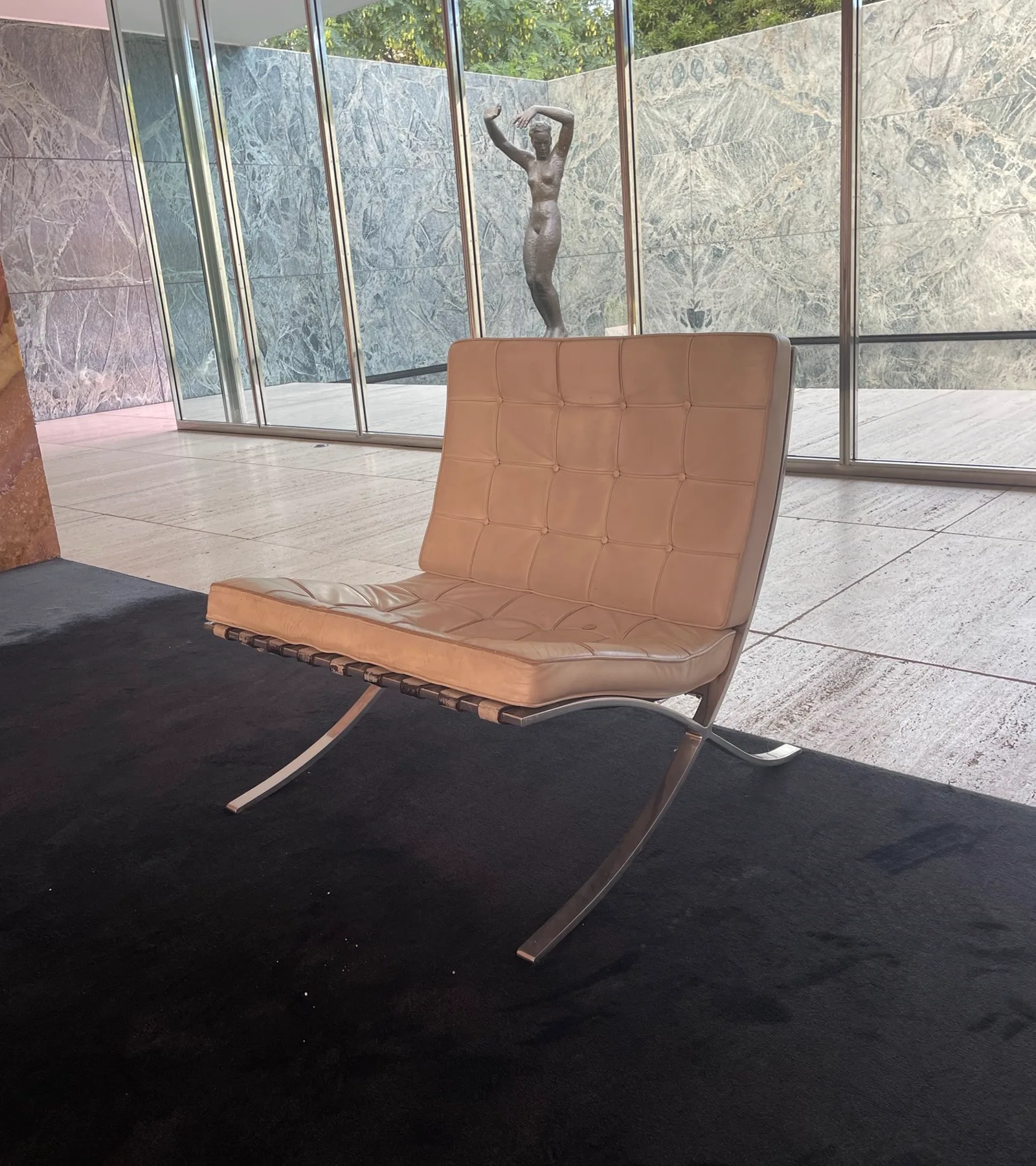
- Studio still life photography provides absolute dimensional precision, geometric clarity, and accurate color reproduction for discerning furniture buyers.
- Styled interior imagery injects emotional resonance and provides essential environmental scale, helping customers envision designs within their homes.
- Harmonizing technical elevations, macro texture close-ups, and architectural scenes minimizes return rates and accelerates e-commerce conversions.
The sensory challenge of selling luxury furniture online
Marketing high-end furniture and architectural accessories through digital commerce presents a formidable commercial challenge: communicating the tactile richness, structural integrity, and hand-finished nuances of design pieces without physical touch. Across the celebrated furniture manufacturing clusters of Veneto—connecting historic Veronese cabinetmaking traditions with contemporary Treviso and Vicenza industrial design—product value resides in fine timber selection, brushed metallic patinas, and tailored upholstery weaves. Substandard visual presentation inevitably devalues this manufacturing heritage.
When catalog photography appears flat or fails to convey authentic color temperatures, prospective purchasers hesitate to finalize substantial investments in solid walnut tables or tailored lounge seating. The lingering uncertainty regarding unexpected shade discrepancies or spatial miscalculations represents the single greatest driver of checkout abandonment. Consequently, investment in specialized furniture photography is not merely an aesthetic choice, but a foundational commercial driver.
Studio still life: technical rigor and chromatic accuracy
Studio still life photography on neutral white or light gray backdrops represents the technical backbone of every authoritative furniture catalog. Captured under calibrated studio illumination, these images isolate the silhouette from environmental distraction, allowing architects and residential buyers to evaluate edge joinery, panel alignment, and surface smoothness. In this technical setting, strict color management using calibrated profiles is essential to guarantee absolute fidelity between screen presentation and physical delivery.
Still life assets must follow a structured viewing cadence: direct frontal views to establish primary proportions, lateral profiles to reveal depth, three-quarter elevations for volumetric comprehension, and rear perspectives demonstrating structural finish across all angles. Macro close-ups are equally indispensable, highlighting open-pore grain patterns, hand-sanded bevels, or the delicate weave of tactile upholstery fabrics.
- Orthogonal and perspective views delivering unambiguous spatial understanding
- High-resolution macro imagery highlighting joinery craftsmanship, wood grain, and textures
- Colorimetric calibration under standardized illumination to eliminate shade disputes
- Clean studio cutouts optimized for interactive product configurators and digital 3D models
Styled interior photography: emotional context and scale
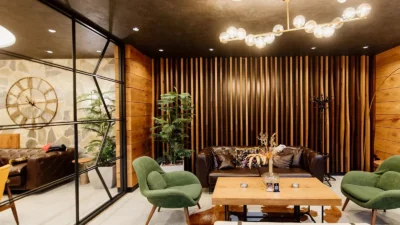
While studio still life satisfies analytical evaluation, styled lifestyle photography speaks directly to aspirational desire and spatial imagination. Situating a modern sideboard or modular sofa within an authentic architectural interior—featuring plaster finishes, natural oak flooring, and floor-to-ceiling daylight—allows the client to project the piece into their personal living space. The ambient curation communicates an elevated lifestyle and cements brand prestige.
Environmental styling also serves an indispensable practical purpose: providing intuitive scale benchmarks. Positioning complementary accessories such as an architectural floor lamp, a geometric area rug, or secondary seating beside the main piece conveys true volume effortlessly. Natural sunlight streaming through expansive openings introduces authentic soft shadows that showcase genuine three-dimensional depth.
Ready to Transform Your Furniture E-Commerce Imagery?
Connect with our team to design a visual storytelling framework and photography standard that elevates your furniture catalog and accelerates online acquisitions.
Architecting the optimal product page visual gallery
A high-performing furniture e-commerce website never forces an artificial choice between isolated still life and ambient styling; it synthesizes both within a carefully orchestrated visual narrative. The opening image must captivate attention: an editorial lifestyle shot that evokes immediate emotional connection. Once engagement is established, the gallery transitions seamlessly to technical still life views resolving questions of form and craftsmanship.
The ideal presentation sequence subsequently introduces color variant swatches, followed by dimensional line diagrams clearly noting height, width, and depth metrics in centimeters. Concluding the media gallery with a smooth 360-degree interactive rotation or high-definition ambient video provides international buyers with complete confidence to proceed to checkout.
Technical image optimization for performance and mobile speed
Acquiring ultra-high-resolution photographic assets becomes a commercial liability if files are deployed without rigorous digital optimization. Uncompressed image payloads decelerate page rendering speeds, undermine search engine rankings, and trigger immediate bounce rates among mobile shoppers. Achieving equilibrium between microscopic detail and rapid loading speeds is a critical technical prerequisite for conversion success.
Converting master assets into cutting-edge WebP and AVIF formats compresses file sizes by up to eighty percent while preserving grain and fabric definition flawlessly. Implementing dynamic viewport zoom architectures that request high-resolution image slices only upon explicit magnification ensures a fluid, frictionless experience across all mobile browsers and network conditions.
- Deployment of efficient next-generation WebP formats with lossless visual compression
- Dynamic deep-zoom architectures delivering macro details on demand without page bloat
- Mobile-first responsive gallery design featuring tactile swipe navigation and lazy loading
- Thorough optimization of descriptive image metadata and alt text for Google Image discovery
Common photography set pitfalls in the furniture sector
A pervasive mistake involves utilizing overly harsh artificial lighting that introduces specular reflections on lacquered surfaces and flattens wood grain relief. Another frequent error is uncalibrated color balance, which shifts natural oak into artificial yellow hues or muddies neutral linen tones, directly causing customer disappointment and expensive parcel returns upon arrival.
In environmental sets, an equally detrimental trap is over-styling with excessive decorative clutter that distracts from the subject. Overbearing floral arrangements, patterned art prints, or competing ornaments detract from the hero piece. The visual staging must remain quiet, disciplined, and refined, ensuring that the exquisite craftsmanship of Italian furniture design commands undivided focus.
E-Commerce advisory for furniture and design brands
Creative Burn Lab partners with Italian furniture manufacturers and design ateliers to craft visual digital experiences that honor craftsmanship and maximize conversions.
Frequently Asked Questions
Why does furniture product photography require both still life and styled shots?
Still life provides technical precision, dimension accuracy, and true color representation, while styled interior photography stimulates emotional desire and demonstrates environmental scale.
How do you ensure accurate color representation for wood and fabric online?
Calibrate studio strobe lighting, employ professional color charts during capture, and output master assets in sRGB color profiles calibrated for consumer screen consistency.
How many images should be featured in a luxury furniture product gallery?
An optimal gallery includes six to eight assets: one hero lifestyle scene, four orthogonal still life views, two macro texture details, and an annotated dimensional diagram.
How can high-resolution furniture photography be optimized for web speed?
Utilize modern WebP compression, implement responsive image sizing, and deploy dynamic on-demand zoom viewers that serve full-resolution crops only when requested by the buyer.