

- The opening three seconds dictate over seventy percent of creative performance: visual hooks must decisively disrupt user feed scrolling.
- Rapid editing cadence featuring scene transitions every 1.5 to 2.5 seconds paired with kinetic typography retains silent viewers.
- Authentic User-Generated Content (UGC) styling consistently outperforms polished high-budget television commercials in conversion rates.
The ruthless three-second threshold: engineering the visual Hook
Within the hyper-accelerated scrolling feeds of Instagram Reels and TikTok, the modern consumer processes digital media at extraordinary velocity, evaluating dozens of video impressions per minute. Within this ruthless engagement environment, traditional cinematic introductions—such as spinning corporate logos or slow establishing panoramas—guarantee immediate commercial failure.
The initial Hook, compressed within the first 1,800 milliseconds, represents the singular deciding variable for thumb stopping power. The hook must forcefully shatter perceptual autopilot through dramatic chromatic contrast, sudden physical movement toward the lens, or an unvarnished verbal question targeting an acute consumer frustration.
If this sensory disruption fails to trigger cognitive curiosity within three seconds, upwards of eighty percent of total viewers scroll onward before ever registering your brand name or product capability.
Persuasive narrative architecture: problem demonstration to rapid payoff
Once the critical threshold of the opening hook is secured, the narrative trajectory must execute according to a validated commercial formula: Problem Agitation, Tangible Demonstration, Empirical Social Proof, and Frictionless Call to Action.
Between seconds four and eight, the creative must sharply visualize the visceral pain point experienced by the target demographic. Immediately following this emotional trigger, the product reveals itself not as a marketed luxury, but as the inevitable, practical resolution.
Macro cinematography displaying tactile material textures, authentic mechanical operation, or real-world problem resolution dissolves consumer skepticism, establishing the rational foundation required for commercial conversion.
- High-impact sensory hook executed within the initial 2.5 seconds devoid of corporate branding lag
- Explicit articulation of core customer value proposition prior to the sixth second of playback
- Kinetic editorial pacing featuring camera perspective shifts or micro-zooms every 1.5 to 2.0 seconds
- High-contrast kinetic captioning permanently rendered to secure comprehension across silent environments
Ready to build scroll-stopping vertical video ads that drive real sales?
Creative Burn Lab scripts, directs, and edits high-performance 9:16 vertical video assets for ambitious consumer and luxury brands scaling on Meta and TikTok.
The supremacy of native UGC over polished studio commercials
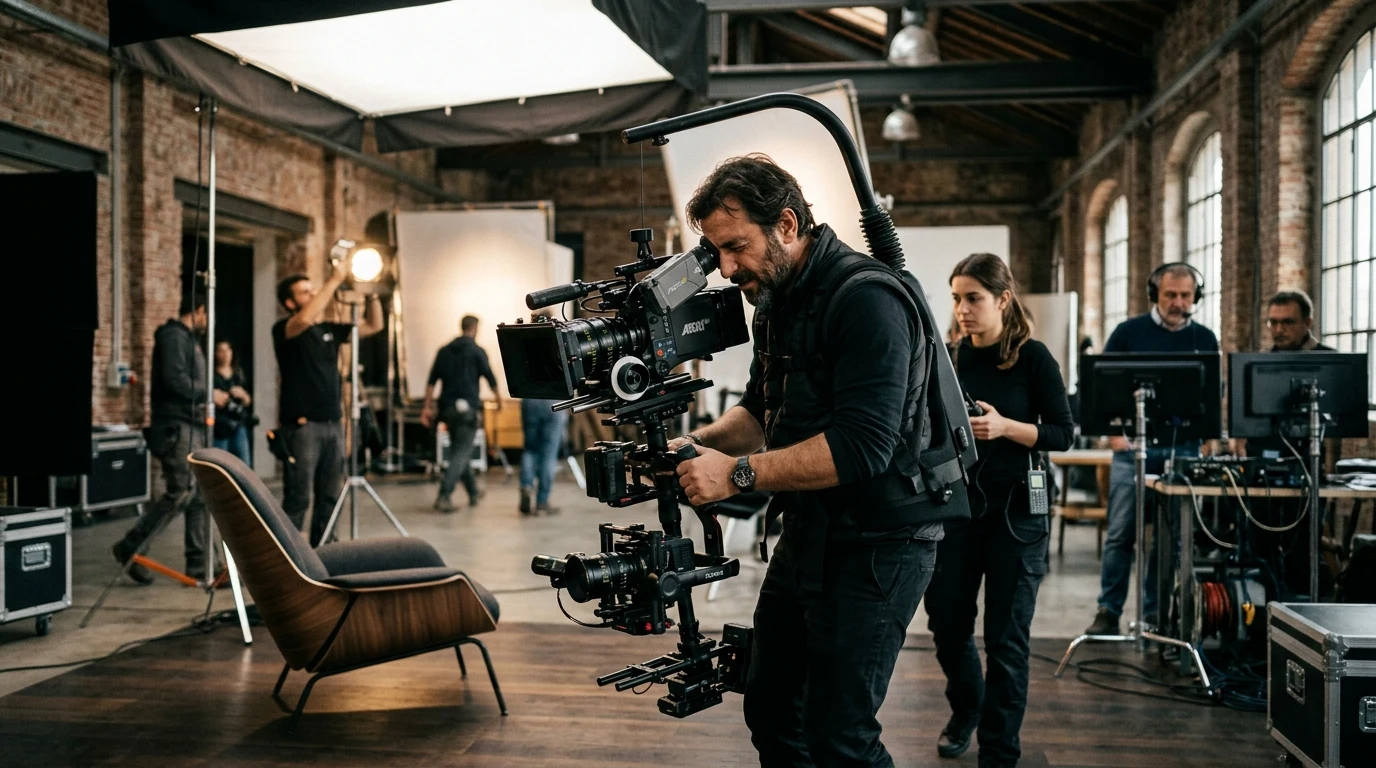
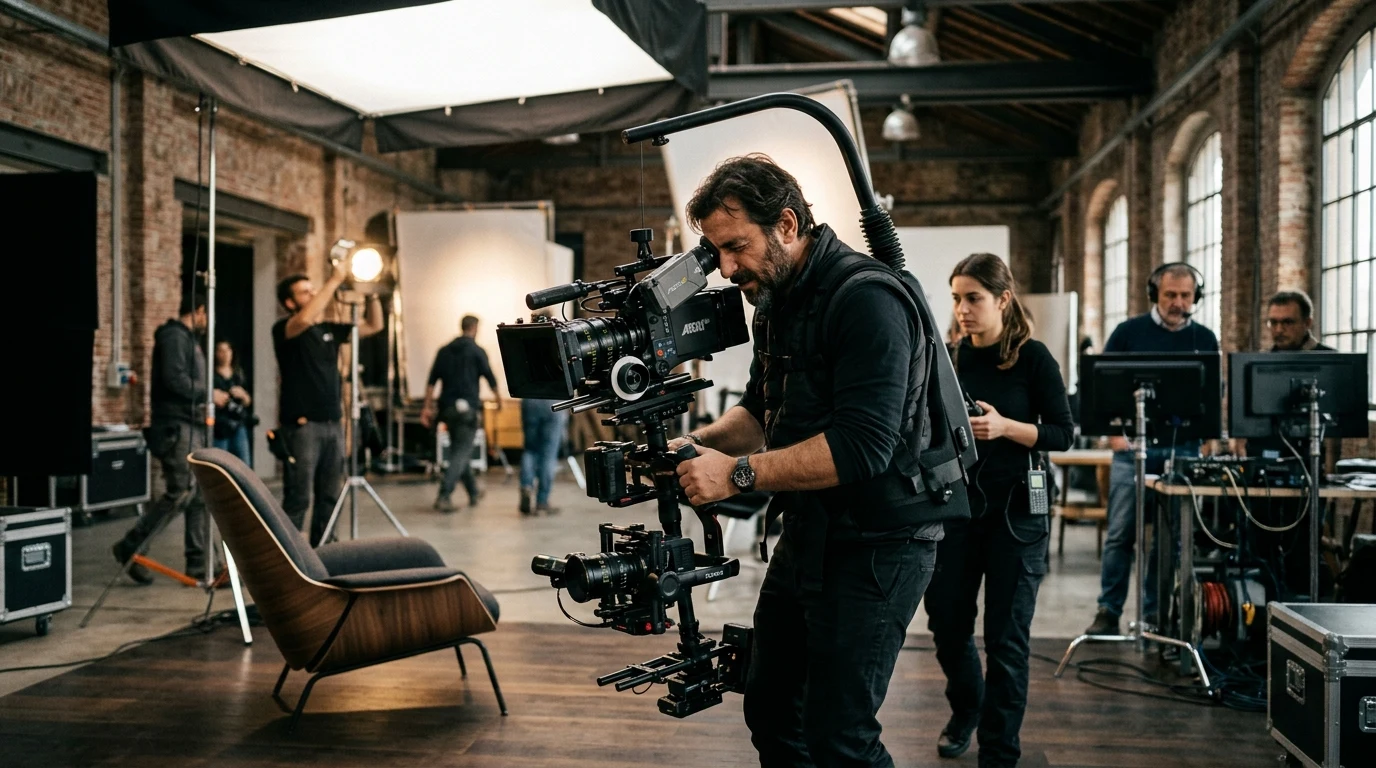
One of the most consequential paradigm shifts in digital advertising is the systemic obsolescence of overly polished studio commercials across mobile social feeds. Smartphone users have cultivated instinctive psychological immunity toward creative assets that unmistakably resemble paid advertisements.
Conversely, authentic User-Generated Content (UGC)—recorded on high-end smartphones in organic lighting, utilizing first-person framing and conversational vernacular—generates superior engagement, click-through, and transaction metrics.
Prospective purchasers process native creators as trusted peers sharing authentic product experiences rather than paid corporate spokespersons, lowering cognitive defenses and evaluating brand claims with elevated trust.
Editorial tempo, sound design, and kinetic typography
More than sixty percent of Meta feed consumption occurs with device volume completely muted, whereas TikTok consumption remains almost entirely audio-driven. This operational divergence mandates dual technical compliance during post-production workflows.
The narrative must remain fully intelligible and persuasive in absolute silence. Centrally positioned kinetic typography, perfectly synchronized with vocal delivery and highlighting operative keywords with vibrant contrast, guarantees message transmission regardless of ambient audio states.
Concurrently, for headphone and active speaker environments, a synchronized rhythmic backing track enriched with crisp Foley effects (subtle swooshes, clicks, and transitions) sustains engagement dopamine throughout the ad duration.
The conclusive Call to Action: eliminating final conversion friction
The concluding four seconds of vertical video creative govern whether captured attention translates into commercial revenue. Ambiguous conclusions that fade slowly to black or display generic website domains squander accumulated interest.
The terminal Call to Action must be explicit, urgent, and singularly focused. Direct directives such as ‘Tap the link below to claim seasonal allocation’ or ‘Shop the collection with complimentary expedited shipping’ should be visually reinforced with animated visual cues pointing directly toward native platform CTA buttons.
Presenting an exclusive incentive paired with transparent operational urgency maximizes direct response conversion efficiency and reduces overall customer acquisition costs.
Furthermore, integrating automated post-click attribution tagging through custom UTM campaign parameters and server-side tracking pipelines guarantees that return-on-ad-spend calculations accurately capture cross-device conversions, preventing direct-response video budgets from being prematurely curtailed due to delayed conversion reporting.
Golden rule: if it looks like a traditional ad, users will skip it
On modern social networks, authentic visual texture triumphs over studio polish. A candid, brilliantly paced smartphone narrative consistently beats an expensive television spot.
Frequently Asked Questions
What is the optimal runtime for direct-response video ads on Meta and TikTok?
Between 15 and 30 seconds for direct-response products; the opening 3 seconds dictate over seventy percent of total campaign performance.
Why are kinetic subtitles mandatory for social video creatives?
Because over sixty percent of mobile users browse without audio; subtitles ensure the full commercial argument lands regardless of sound settings.
What is UGC and why does it convert better than studio commercial ads?
User-Generated Content resembles organic creator posts filmed on smartphones; it bypasses ad blindness and builds authentic social credibility.
How frequently should visual camera angles change in short-form ads?
Every 1.5 to 2.5 seconds: micro-zooms, b-roll cuts, or graphic overlays prevent optical habituation and keep viewers glued to the screen.